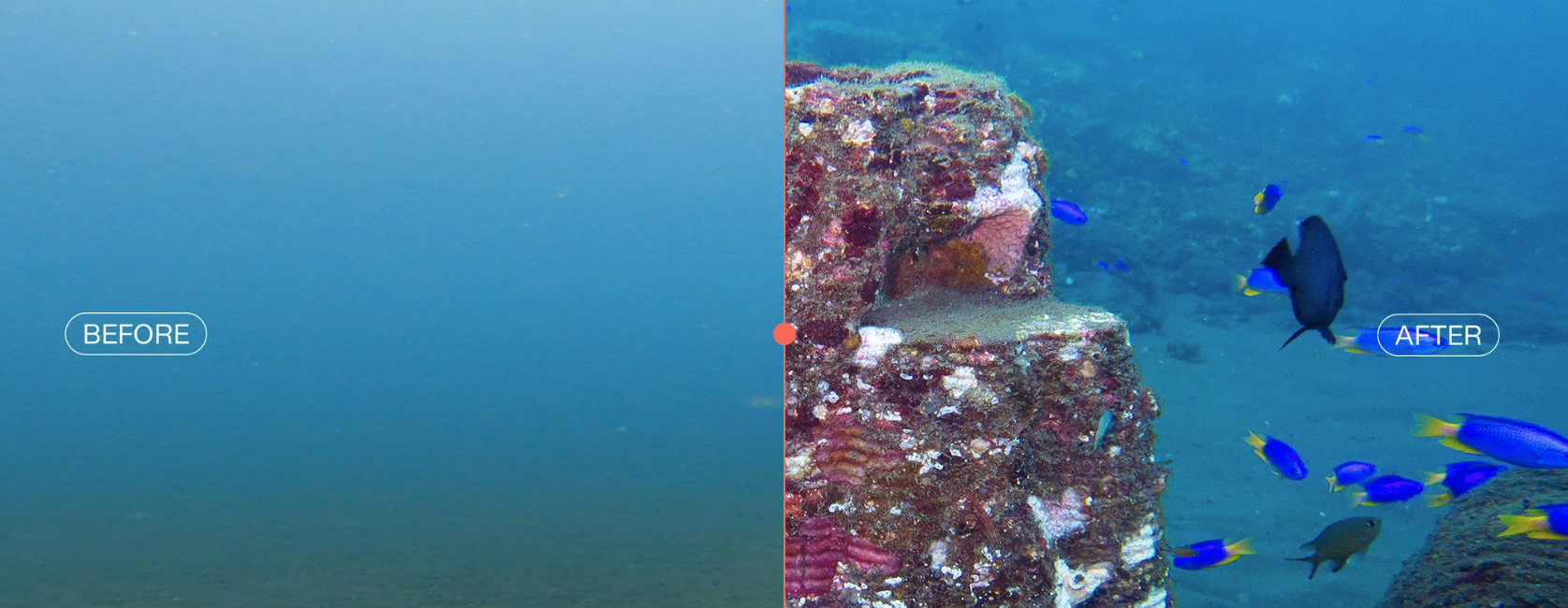
Sir David Attenborough turns 100 today. A century of witnessing the Earth in all its breathtaking complexity, and a lifetime spent urging us to protect it. His message has always been the same: what we do to the natural world, we do to ourselves. Few of us would disagree. And yet, there is one final act, one that every single one of us will one day make, that we rarely consider through an environmental lens.
How we choose to leave this world matters. Not just emotionally, spiritually, or practically. It matters for the planet.
Here’s a number worth sitting with: each cremation releases up to 245kg of carbon into the atmosphere.
Now multiply that by the fact that 80% of people in the UK choose cremation, that’s approximately 600,000 cremations every year. The mathematics of our grief add up to a significant, largely invisible environmental footprint.
To be clear: cremation is not going away. It became the dominant choice in the UK for a very practical reason, we are running out of space. Our cemeteries reached capacity, land became precious, and burials, natural or traditional, have grown increasingly costly both for individuals and for the environment. Cremation solved one problem while quietly creating another.
This is not about blame. It is about awareness. And, more importantly, it is about what comes next.
One of the most significant shifts in how the UK approaches death is the rapid rise of unattended direct cremations. Stripped of ceremony and cost, a direct cremation returns the individual to ash with simplicity and efficiency. For some this is ok, for others, it opens an unexpected void.
Because here is what we know to be true: human connection doesn’t end at death. The field of grief psychology has long recognised what it calls continued bonds, the enduring, living relationship we maintain with those we’ve lost. The rituals of mourning, the objects we keep, the places we return to, these are not indulgences. They are the architecture of healthy grief.
When the funeral steps back, memorialisation steps forward. The question is no longer simply how do we dispose of remains? The question becomes: how do we honour a life, nurture our grief, and give something back to the world at the same time?
This is where regenerative end-of-life options change everything.
Regenerative end-of-life is a philosophy as much as a practice. It asks: what if death could be a gift to the living world, rather than a burden on it? Whilst is is great that we continue to find to promote sustainable choices, what is even more valuable is to looking at how we make it better? How can we negate the damage of cremation, nurture the planet and nourish family and friends we have left behind?
It is the intersection of sustainability, design, and deep human meaning, and it is one of the most hopeful spaces in end-of-life care today.
Talk is one thing. But there are companies already doing this work with rigour, beauty, and measurable impact. At Thereafter, we are proud to work alongside three of the most compelling names in regenerative end-of-life care.
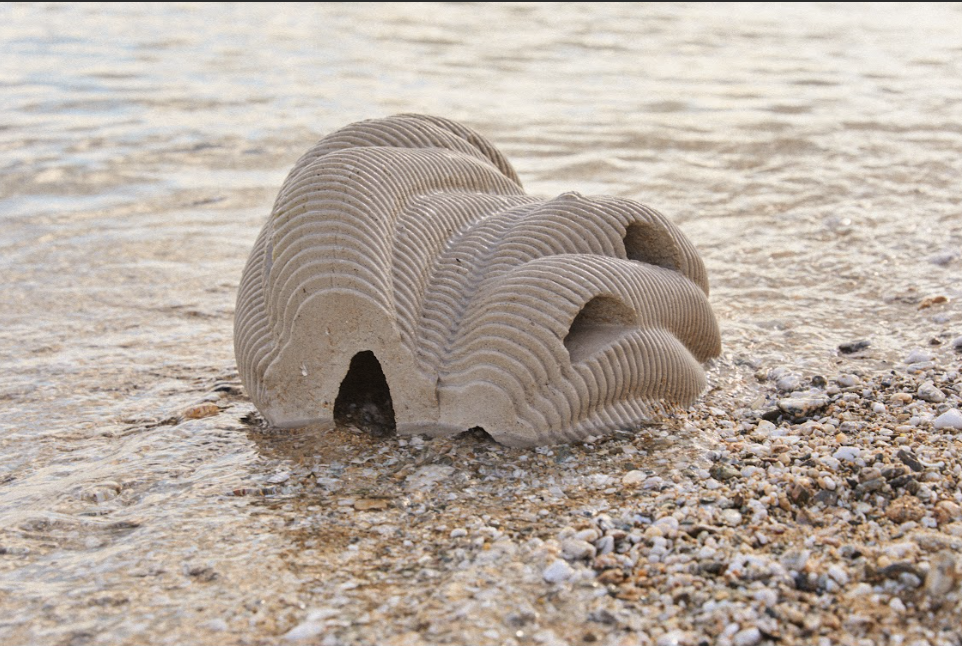
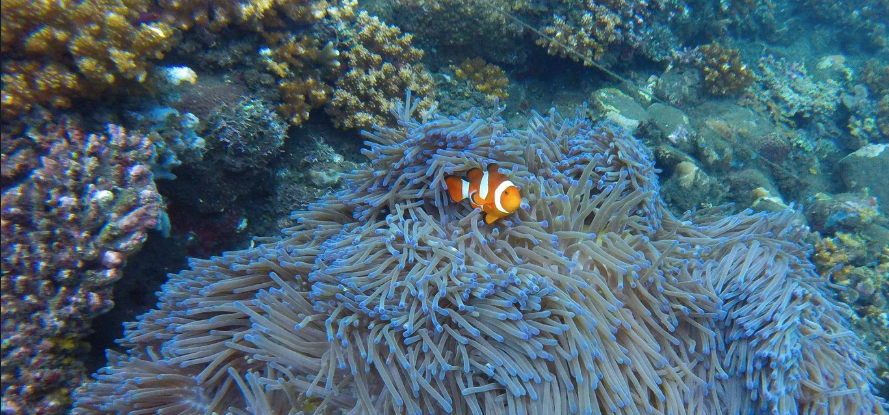
An award winning memorial service, Resting Reef are a London-based company with a quietly radical idea: that our final resting place could restore one of the world’s most threatened ecosystems. Founded by Aura Murillo Pérez and Louise Skajem, Resting Reef turns a loved one’s loss into a memorial reef designed to restore marine biodiversity.
The results have been remarkable. In Resting Reef’s first round of ecological monitoring in October 2024, after just four months since deployment, their memorial reefs were already providing habitats to 41 species of reef fish.
Thereafter is proud to partner with Resting Reef, offering this option as part of our end-of-life planning service.
Return To Nature (RTN) soil blend is the only organic nutrition rich compound created to naturally and fully return cremated remains to nature. By neutralising the toxicity of ashes, it nurtures and facilitates the strong and healthy growth of flora and fauna. Scientifically proven, this is the perfect solution for creating living memorials that feed the eco-system, provide a safe way of burial without taking valuable space of the land.
Thereafter distributes RTN Soil nationwide. We believe it should be a standard part of every cremation aftercare conversation.
The world’s first coffin made from mushrooms and up-cycled hemp fibres, fully returning to the earth within 45 days and enriching nature in the most natural way.
When buried, these structures reactivate, engaging in a composting process alongside other microorganisms, ensuring that the body is returned to the earth while enhancing soil health and biodiversity. Unlike traditional coffins, which use synthetic glues, metal screws, and varnishes that leach into the ground, the Cocoon uses no chemicals, no plastics, and no metals it is grown, not manufactured.
For too long, sustainability and beauty have been treated as competing forces in the funeral industry. The assumption has been that eco-conscious choices mean plain, utilitarian, or cold.
That assumption is over.
The best regenerative memorial products today are exquisitely designed, objects and experiences that honour the full weight of a life, while treading lightly on the earth. They reflect a generation that refuses to compromise on either meaning or values. A generation that grew up listening to David Attenborough and genuinely felt the urgency of his words.
At Thereafter, we know that saying goodbye is not a one day event, the funeral is the start of the next chapter. Having a place to anchor your grief, to revisit, to nurture, to connect with is vital. It worries us that following the funeral, people’s ashes remain in a cupboard, on the shelf or in the boot of a car! How more beautiful and nourishing could your final exit be knowing you have gone out giving back to this incredible planet.
On Sir David Attenborough’s 100th birthday, we are reminded that a life fully lived leaves the world richer for its presence. He spent a century asking us to see the planet differently, see the extraordinary magic and
Regenerative end-of-life options are, in many ways, the ultimate expression of that truth. They are a final act of belonging, to the planet, to the people we love, to the living systems that sustain everything.
We don’t have to choose between honouring our dead and caring for our planet, we can do both and really very beautifully.
The question now is simply: what do you want to leave behind?
At Thereafter, we guide families through meaningful, sustainable, and beautifully considered end-of-life choices. Whether you’re planning ahead or navigating loss right now, we’re here to help you find an option that feels true, to the person, and to the planet.
Explore our Sustainable and Regenerative on our Greener Choices page
© Thereafter Funeral Services Ltd. 2025 - . All rights reserved.
Company no. 14598863 - Registered office: 109 Pembury Road, London, N17 8LY