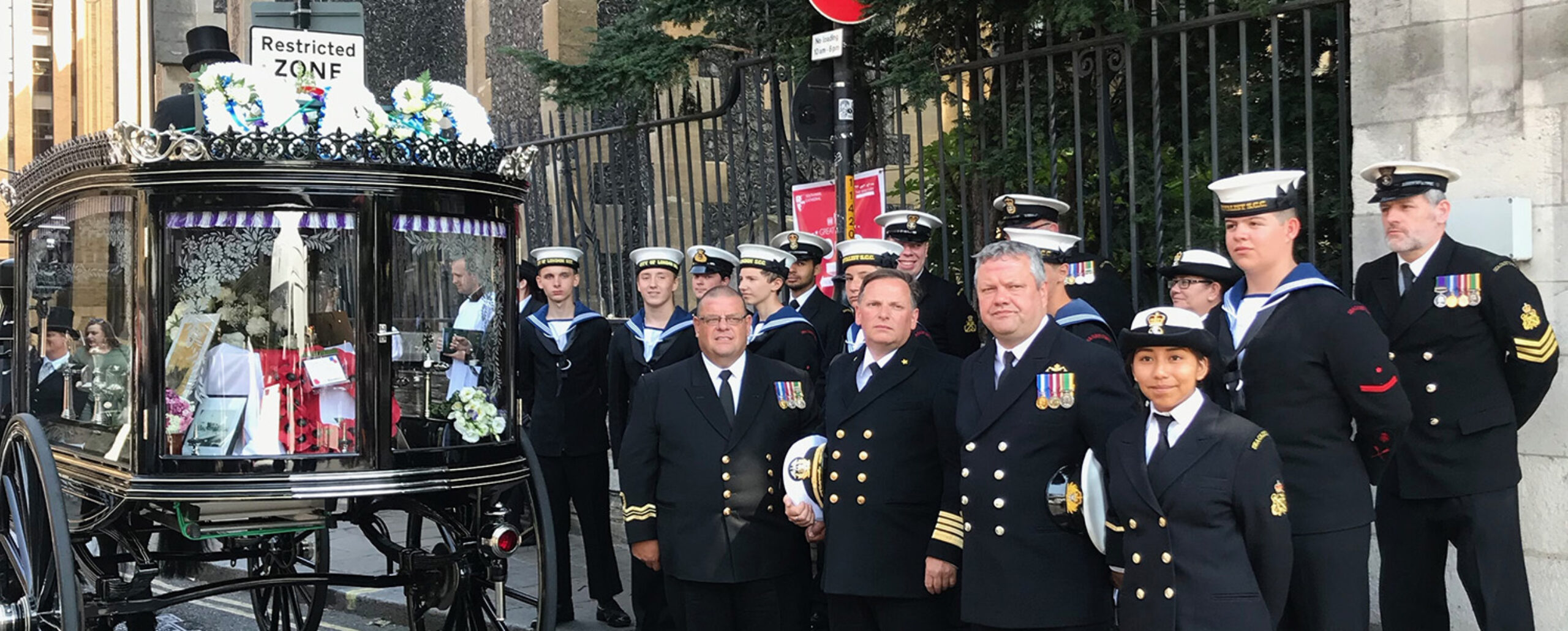
Tradition & Modernity
For a life of two parts. Honourable country serving and a master of the underworld, these two extremes were respected in his ceremony of thanks & goodbye
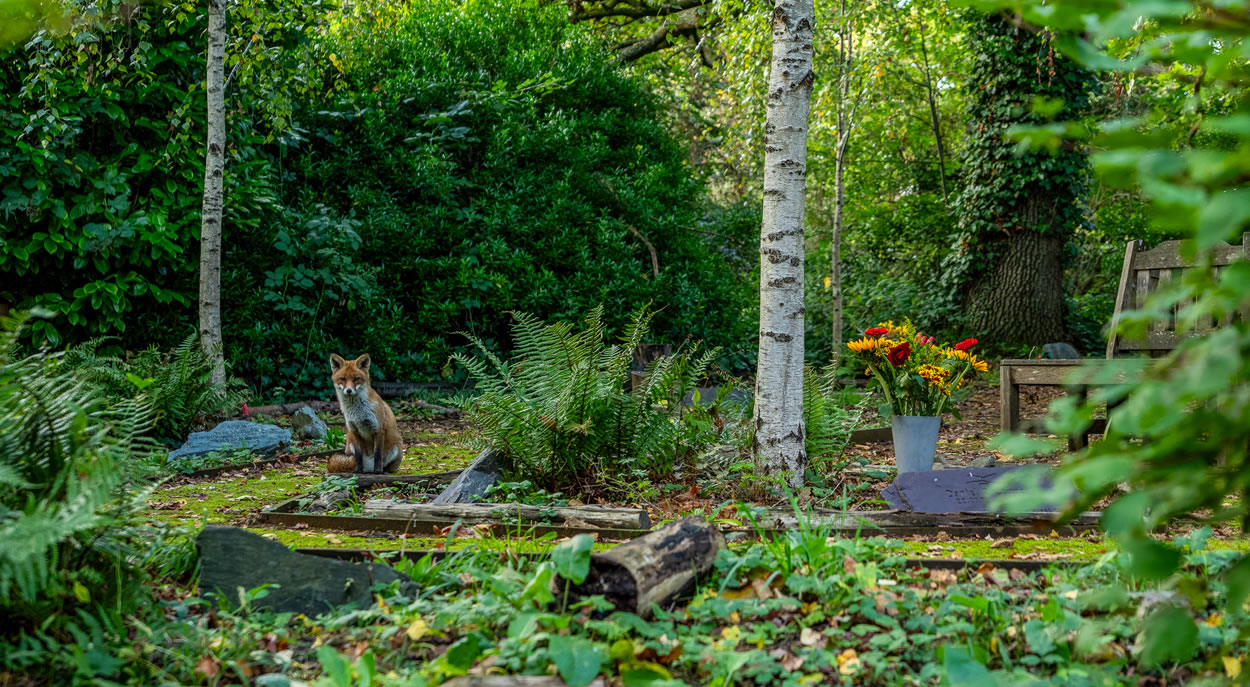
Interment is the term used for the burial of cremated remains.
Interment of ash ceremonies can be held following a cremation ceremony, alternatively they can be performed independently and be funeral itself
Why do we love them?
Having a designated place where you know your person is at rest can be profoundly supportive when living with loss. This place might be a cemetery or burial ground, or somewhere more personal and intimate.
A place to return to can offer comfort, continuity, and a sense of connection—something many people find essential as they move forward with their grief.
If you choose to bury ashes on private land, you may wish to mark the spot. This can be as simple or expressive as you like:
Creating a living memorial—something that grows, changes, and evolves over time—can be incredibly healing. It’s good for you, and good for the environment.
Little is it known, cremated remains are toxic for the environment. The high sulphur content disrupts the natural process of the earth and the eco-system. When burying ashes, we strongly recommend using RTN soil. This nutrient-rich soil blend has been specially created to counteract the effects of cremated remains.
RTN soil feeds and nurtures your chosen living memorial, supporting surrounding flora and fauna while protecting the wider environment. It helps create a positive, restorative place to return to—one that honours your person whilst looking out for future generations.
If you’d like to explore whether interment of ashes is right for you, we’re here to talk—gently, openly, and without obligation.

© Thereafter Funeral Services Ltd. 2025 - . All rights reserved.
Company no. 14598863 - Registered office: 109 Pembury Road, London, N17 8LY